

With increasing life expectancy, it is necessary to implement adjustments to the Public Service Superannuation Fund to ensure pension benefits for future retirees.
- Maximum Retirement Age Changing: The age at which you must leave the public service will increase over the next 10 years.
- Higher Contributions, But No Pay Cut: Your pension contributions will rise, but the Government will cover it, so your take-home pay will not be affected as per the recent salary and wage negotiated pay award agreement.
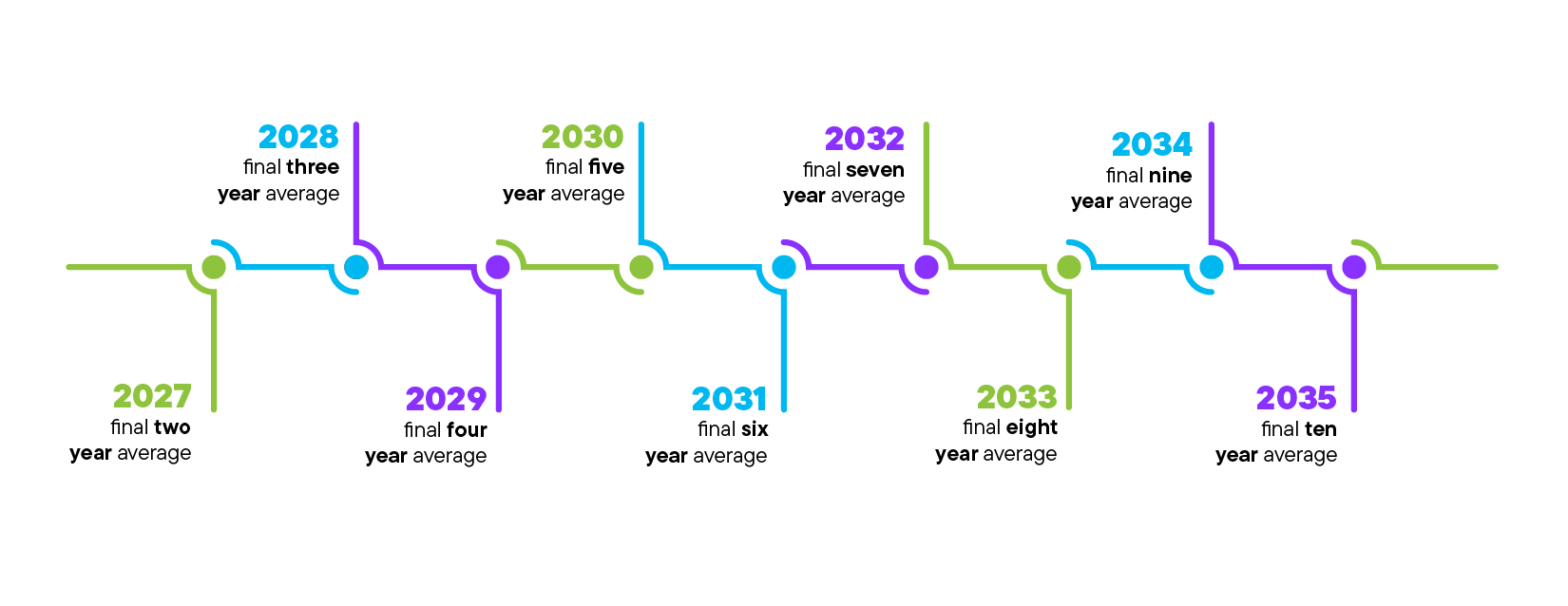
- Fairer Pension Formula: Pensions will be based on the average salary over the last 10 years.
- Earliest Unreduced Pension Age: The earliest age in which officers can retire and receive an unreduced pension will increase gradually over the next 10 years
- Lump Sum Conversion Factor: This factor will be actuarially assessed at each valuation.
- Governance The Public Service Superannuation Board will have a more formal role in reviewing actuarial valuations and advising on future reforms.
What You Need to Know
Changes are being made to the Public Service Superannuation Fund (PSSF) to support the Fund's long-term sustainability.
The reforms include changes to retirement ages, employee contributions, the salary period used to calculate pension benefits and the lump-sum conversion factor.
What this means for you
How the changes affect you will depend on your age, retirement status and individual circumstances.
If you are below the mandatory retirement age and your retirement has not yet taken effect
If you are below the mandatory retirement age, meaning age 67 or younger, and your retirement notice has been accepted but your retirement has not yet taken effect, you may request in writing to have your retirement notice rescinded.
Your written request must be received by 30 October 2026.
This is a one-off opportunity to rescind your retirement notice and the request must be initiated by you.
For officers in this group, requests to rescind must be accepted.
If your post has already been recruited for and an offer has been made to another person, you must be offered an alternative position and retain the PS grade of your original post.
If you have reached the mandatory retirement age and remain in the Public Service
If you have reached the mandatory retirement age applicable to your position or service and remain in service, any request to continue working remains subject to employer approval in accordance with the existing process.
Mandatory retirement ages may differ for some groups, including uniformed services.
If you have already submitted a retirement notice
If you are below the mandatory retirement age applicable to your position or service, your retirement notice has been accepted and your retirement has not yet taken effect, you may request to have your retirement notice rescinded.
Officers who have reached the applicable mandatory retirement age remain subject to the existing employer approval process for continued service.
Retirement eligibility does not necessarily mean that you are required to leave the Public Service. The age at which you become eligible to retire may be different from the mandatory retirement age that applies to your position or service.
Lump-sum payments
The Government has adopted a phased approach to changes in the lump-sum conversion factor rather than reducing the factor from 11.5 to an indicative 5.75 in April 2027.
The conversion factor will remain at 11.5 on 1 April 2027. Required changes will instead be phased in over time.
The conversion factor will be reviewed every two years by the Minister of Finance in consultation with the Public Service Superannuation Board, with the aim of reaching a level that reflects the Fund’s financial position by 2035.
Under the legislation, the applicable conversion factor is determined by the Minister of Finance, following consultation with the Public Service Superannuation Board and taking account of the prevailing actuarial review.
Additional protection for officers eligible to retire by 31 March 2027
Public officers who are employed and eligible to retire at 31 March 2027 will have additional protection if they choose to remain in the Public Service.
Their eventual lump sum will be no less than the amount that would have been payable had they retired on 31 March 2027.
This means that an eligible officer does not have to retire by 31 March 2027 simply to preserve the value of their lump sum.
The phased conversion-factor changes affect the calculation of the lump sum. They do not change pension benefits already accrued.
The protection applies to the cash value of the lump sum available on 31 March 2027; it does not guarantee that the 11.5 conversion factor will continue to apply in future years.
Use the PSSF Retirement Projection Tool to see an estimate based on your individual circumstances. The tool provides projections only and does not constitute a guaranteed pension entitlement.
Why it matters:
These changes help protect your pension, ensuring it will still be there when you retire.
There will be no impact on Government workers retiring before March 31, 2027.
The implementation schedule for the increase in the mandatory retirement age is as follows:
Non-Special Groups (NSG) 2025:
from 65 to 68 for Teachers to align with other Non-Special Groups.
| April 1, 2033 – 69 | April 1, 2035 – 70 (NSG) |
Special Groups* (SG):
| April 1, 2025-2026 – 55 | April 1, 2031 - 58 |
| April 1, 2027 - 56 | April 1, 2033 - 59 |
| April 1, 2029 - 57 | April 1, 2035 - 60 |
*Note – Special Groups are our Uniformed Services.
Important, this is not the earliest time that you can retire, but the age of which you must retire from the public service.
Implementation schedule for the increase to contributions is as follows (will be offset by an uplift in salary):
| Non Special Groups (NSG) | Special Groups (SG) |
| 2024 (current) - 8% | 2024 (current) - 9.5% |
| October 2025 - 8.7% | October 2025 - 10.2% |
| April 1, 2026 - 9.3% | April 1, 2026 - 10.8% |
| April 1, 2027 - 10% | April 1, 2027 - 11.5% |
The implementation schedule for the reference wage calculation is as follows:
Bermuda Public Service Pension Retirement Projection Tool Guide
Additional information provided for clarity following the pre-tabling stakeholder consultation in July:
| Non-Special Groups (NSG): | ||||||
| Year | 2025-2026 | Apr. 1, 2027 - Mar. 31, 2029 | Apr. 1, 2029 - Mar. 31, 2031 | Apr. 1, 2031 - Mar. 31, 2033 | Apr. 1, 2033 - Mar. 31, 2035 | Apr. 1, 2035 Onward |
| Earliest Unreduced Pension Age | 60 | 61 | 62 | 63 | 64 | 65 |
| Earliest Reduced Pension Age | N/A | 60 | 60 | 60 | 60 | 60 |
| Special Group* (SG): | ||||||
| Year | 2025-2026 | Apr. 1, 2027 - Mar. 31, 2027 | Apr. 1, 2029 - Mar. 31, 2031 | Apr. 1, 2031 - Mar. 31, 2033 | Apr. 1, 2033 - Mar. 31, 2035 | Apr. 1, 2035 - Onward |
| Earliest Unreduced Pension Age | 50 | 51 | 52 | 53 | 54 | 55 |
| Earliest Reduced Pension Age | N/A | 50 | 50 | 50 | 50 | 50 |
*Note – Special Groups are our Uniformed Services.
Employees retain the option of drawing their pension at the current earliest retirement age, per the schedule above, although this will be subject to an actuarial reduction in their pension. The amount of the reduction will be set by the Minister of Finance following consultation with the Public Service Superannuation Board and will be based on the actuarial review of the Public Sector Superannuation Fund
Lump sum payments:
From April 1, 2027, lump sum payments will be calculated based upon a conversion factor determined by the actuarial review of the fund. The recommendation of the actuaries will be approved by the Minister of Finance, following consultation with the Public Service Superannuation Board. This one change is estimated to increase the future funding ratio of the fund from 70% in 2065 to 118% in 2065. This increased funding ratio will allow for the consideration of increases in pensions for current and future retirees.
FAQs
When will the pension reform changes take effect?
The pension reforms are being implemented in phases. Some changes have already taken effect, while others will be introduced gradually over the coming years.
The schedules above show when changes to contributions, retirement ages and the calculation of pension benefits apply.
How can I find out what the changes mean for me personally?
The PSSF Retirement Projection Tool allows public officers to see estimated retirement benefits based on their individual circumstances.
The tool provides projections for different retirement ages and includes estimated pension and lump-sum options. These figures are estimates only and do not constitute a guaranteed pension entitlement.
Were the Unions consulted?
Yes, there have been a series of meetings, consultations, and presentations with the Unions over the last two years to ensure the Union executives and members are informed. We have included a schedule with meetings held. Appendix A.
Who is covered by the PSSF?
All public officers, including teachers, uniformed services, and employees of some Public Authorities.
Why is the Government making changes to the pension system now?
Since pensions were introduced 44 years ago, people have been living longer. This means that the Public Service Superannuation Fund is paying out more money for longer periods than it was designed to do. This is depleting the funds, putting future pensions at risk. If there are no changes, the PSSF is expected to be exhausted in 2045. The Government is making these changes, following reviews with unions and independent experts, to ensure that all public officers can have secure pensions for the future.
Why will the pension be based on a 10-year average instead of your final salary?
It’s fairer and more sustainable for the pension’s future security. This change means that pension benefits are better aligned with the contributions made over time. Using a 10-year average (which will be phased in over a 10 year period) is fairer for everyone and helps make all officers’ pensions more sustainable. Bermuda is the only major pension plan in the world that still calculates pension benefits on final salary.
Will new government employees be under a different pension plan?
No. All public officers will continue to be covered under the Public Service Superannuation Plan.
Is there an official report that shows the pension fund’s status and financial details?
Yes. The pension fund is evaluated by an actuary, and a report is produced every three years. These reports are available to the public, the latest was as of 31 March 2023.
Are there transitional arrangements for employees who are closer to retirement?
Yes. The reforms are being introduced in phases, and additional arrangements apply to some officers who are already eligible or approaching retirement.
Public officers who are employed and eligible to retire at 31 March 2027 will also receive additional protection in relation to their lump-sum benefit under the revised lump-sum approach.
How the changes affect you will depend on your retirement eligibility and individual circumstances.
Will all of the pension changes happen at once?
No. The reforms are being introduced gradually over a number of years.
The schedules above show when changes to retirement ages, contributions and the calculation of pension benefits take effect. The revised approach to the lump-sum conversion factor is also being phased over several years.
How will the changes affect people who are close to retirement?
The impact will depend on your age, retirement eligibility and individual circumstances.
Public officers who are employed and eligible to retire at 31 March 2027 will receive additional protection under the revised lump-sum arrangements. If they remain in the Public Service, their eventual lump sum will not be less than the amount that would have been payable had they retired on 31 March 2027.
Officers should use the PSSF Retirement Projection Tool to understand how the changes may affect their individual retirement benefits.
Will my pension be based on my highest-earning years or just the last 10 years?
It will be based on your last 10 years of work, however this change will be phased in over the next 10 years.
Who does the pension reform changes apply to?
The reforms apply to members of the Public Service Superannuation Fund, although the effect of the changes will depend on each officer's age, service, retirement eligibility and individual circumstances.
Different transitional arrangements may apply to officers who are already eligible or approaching retirement.
Are long-serving employees exempt from the reforms?
There is no general exemption based solely on length of service.
However, the reforms are being implemented in phases and include transitional arrangements that may reduce the immediate impact on officers who are closer to retirement. Individual circumstances will determine how the changes apply.
The current calculation is based on 1.5% per year for every year of service. Will the calculation change from 1.5%?
No, this calculation won’t change, but to ensure that the pension fund is sustainable for the future, there will be an actuarial reduction for public officers who elect to receive their pension benefits earlier.
If the guest worker retires after working for 8 years (vested period), will he/she get the lump sum amount, including the share of Government contributions, before leaving the island? 6 years (not completing the vested period) – will he/she get the lump sum amount of his/her contribution before leaving the island?
There are no proposed changes to the law on this topic.
What has happened with pension increases for existing retirees?
The Government has provided for a 10% increase in pensions for public sector retirees, effective from 1 April 2026.
Payments are expected to begin in October 2026 and include retroactive amounts from the effective date.
This increase is separate from the phased changes affecting the retirement benefits of serving public officers.
For staff returning to the Government at the age of 57-58. Why are they not able to join the pension plan again?
The pension plan has an eight-year vesting period. Therefore, when the retirement age was 65, it would not have allowed sufficient time to become vested in the plan in order to receive a pension. With the current mandatory retirement age increasing over time, the age at which you can join the pension plan will also be increased.
Will the maximum pension years that they count increase from 40 years?
No, this calculation won’t change, but there will be an actuarial reduction for electing to receive pension benefits earlier.
Would it be correct to assume that the employees’ increased contribution is to “save the fund for the future,” but doesn’t increase a pension amount?
Correct. Your pension payment calculation is based on your salary, not your level of contribution.
Please confirm that the plan will still be a Defined Benefit and not moving towards a Defined Contribution plan.
Yes, this is correct.
Now that we have recognised that the pension system is at risk, is there any plan to discontinue the borrowing of funds from the pension fund?
There is no borrowing of funds from the pension fund. The fund is professionally managed, and there is no borrowing at all.
Is Customs considered a uniform service?
No
Currently for non-special group staff the minimum eligibility for retirement age is 60. Is this minimum age staying the same or changing as well?
This will increase too (over time to 65) although an option for early retirement from 60 will remain. There will be an actuarial reduction for staff that exercise this option. The actuaries have produced illustrative examples in response to the questions received which we will share.
Will the pension reform changes affect people who have already retired?
The pension reform measures affecting retirement ages, contributions, reference wages and retirement elections apply to serving members of the Public Service Superannuation Fund and do not change the retirement decisions of people who have already left the Public Service.
Separately, public sector retirees are receiving a 10% pension increase effective from 1 April 2026.
How will the changes affect people retiring before 31 March 2027?
The pension arrangements applying to an officer will depend on their retirement date and individual circumstances.
The lump-sum conversion factor will remain at 11.5 on 1 April 2027.
Public officers who are employed and eligible to retire on 31 March 2027 but choose to remain in the Public Service will also receive additional protection in relation to the cash value of their lump sum.
Will my lump-sum payment change?
The amount of a retirement lump sum depends on the portion of pension an officer chooses to exchange for a lump sum and the applicable lump-sum conversion factor.
The Government has adopted a phased approach to changing the conversion factor rather than reducing it from 11.5 to an indicative 5.75 in April 2027.
The conversion factor will remain at 11.5 on 1 April 2027 and will be reviewed every two years by the Minister of Finance in consultation with the Public Service Superannuation Board, with the aim of reaching a level that reflects the Fund’s financial position by 2035.
What is the lump-sum conversion factor?
The lump-sum conversion factor is used to calculate the amount an officer receives upfront when they choose to exchange part of their ongoing pension for a lump sum.
A higher conversion factor produces a larger lump sum for the same amount of pension exchanged. A lower conversion factor produces a smaller lump sum.
I am eligible to retire by 31 March 2027. What happens to my lump sum if I keep working?
Public officers who are employed and eligible to retire at 31 March 2027 will receive additional protection if they choose to remain in the Public Service.
Their eventual lump sum will not be less than the amount that would have been payable had they retired on 31 March 2027.
This means an eligible officer does not need to retire by 31 March 2027 simply to preserve the value of their lump sum.
When do the next pension reform changes take effect?
The next phase of the reforms begins on 1 April 2027.
The schedules above provide the effective dates for changes to retirement ages, contributions and pension calculations. The revised lump-sum approach is being phased separately over several years.
What effect will these changes have on Government workers who plan to retire in 2028, including those reaching the mandatory retirement age applicable to their position or service?
The effect will depend on the officer’s individual circumstances and the retirement provisions applicable to them. For an officer retiring in 2028, the final pension amount would be calculated using the applicable average salary period, which may be two or three years depending on the exact date of retirement.
Mandatory retirement ages may differ for some groups, including uniformed services.
Would persons retiring in 2028 receive their pension when they retire, or would they have to wait until they reach age 70?
Retiring from the Public Service and becoming eligible to receive pension benefits are separate matters. An officer would not automatically have to wait until age 70. The earliest date at which pension benefits become payable will depend on the applicable arrangements set out in Chart 4.
The mandatory retirement age applicable to an officer’s position or service may be different from the age at which they become eligible to receive their pension.
Why is there an actuarial reduction for staff choosing to retire at 60? Wouldn’t retiring earlier already reduce lifetime pension compared to retiring at full retirement age due to fewer years of contributions? Is there effectively a penalty for leaving early?
There is no penalty for retiring early, however if pension benefits are drawn earlier, that puts additional pressure on the fund. This option, which was added after following the consultation on July 4th, allows those who may wish to draw their benefits early to still have that option, however at a reduced rate.
If someone retires at age 60, could there be savings for the organisation, for example if a new employee is hired at a lower salary scale? Why would there be a penalty for retiring at 60?
There is no penalty in the sense of reducing the rate at which pension benefits have already accrued. However, the age at which those benefits become payable in full is changing over the 10-year implementation period.
An officer’s ability or requirement to retire from employment will also depend on the retirement provisions and mandatory retirement age applicable to their position or service. This may differ for some groups, including uniformed services.
Are lump-sum payments being reduced?
Lump-sum payments are not being removed.
Instead, the Government has developed a phased approach to changes in the lump-sum conversion factor. Rather than moving directly from a factor of 11.5 to 5.75 in April 2027, the change will be introduced gradually.
Public officers who are employed and eligible to retire at 31 March 2027 will also receive additional protection so that, if they continue working, their eventual lump sum will not be less than the amount that would have been payable had they retired on that date.
The applicable conversion factor is determined in accordance with the legislation following consultation with the Public Service Superannuation Board.
I have already submitted a retirement notice. Can I change my decision?
Where an officer is below the mandatory retirement age, meaning age 67 or younger, and their retirement notice has been accepted but their retirement has not yet taken effect, the officer may request that the retirement notice be rescinded.
The request to rescind must be received in writing by 30 October 2026. This is a one-off opportunity and must be initiated by the officer.
Employees in this group must have their requests to rescind accepted.
If the post has already been recruited for and an offer has been made to another person, the rescinding employee must be offered an alternative position and retain the PS grade of their original post.
Is rescinding a retirement notice automatic?
No. The officer must request in writing that the retirement notice be rescinded by 30 October 2026.
For officers aged 67 or younger whose retirement has not yet taken effect, the approved policy position is that the notice may be rescinded on request by the officer.
Managers should ensure that the request is handled through the appropriate administrative process.